How Important is Protective clothing?
Few things are more important to safety in any industry than protective clothing, which is part of the answer in construction, health care, manufacturing, and many other industries. It is mainly there to protect the workers from everyday hazards that may result in injury, illness, and long-term health issues. In part, it reflects the increasing scope of safety regulation and the increasingly important use of protective clothing as part of personal protective equipment (PPE).
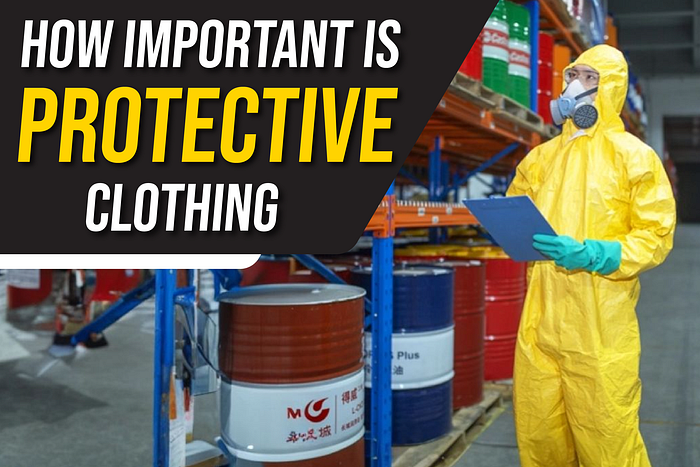
Why Protective Clothing is Important for Hazardous Work.
Protective clothing functions as a critical barrier for the worker against harmful substances or an environment. These protect you from chemical exposure, sharp things, extreme temps, and biological hazards. For example, in healthcare, protective garments, gloves, gowns, and face masks are utilized in order to diminish the hazard of infection with patients or when dealing with clinical waste. Preventing the spread of infectious diseases requires this, as all close contact is avoided.
Protective clothing helps to eliminate the dangers associated with heavy machinery, an electrical hazard, or falling objects in construction and manufacturing. For example, workers in industries where exposure to fire or extreme heat is frequent can get protected by flame-resistant (FR) clothing to protect them against burns. For example, high-visibility vests permit workers to be seen in areas with little visibility, like road construction sites.
Types of Protective Clothing
There are different types of protective clothing tailored to specific hazards:
1. Chemical-Resistant Clothing: Chemical splashes or toxic substances protection, usually used in the laboratory, chemical plant, or industrial where hazardous substance exists.
2. Flame-Resistant Clothing: This clothing is common in industries like welding or electrical work that involve heat and flames and prevent the common severe burn.
3. High-Visibility Clothing: Workers in hazardous conditions can use this bright and reflective kind of clothing while working in poor light or below vehicles or moving vehicles; it will make it visible to workers.
4. Biological Protective Gear: A high voltage passing through a gas, used as protection in healthcare settings such as gowns, masks, and gloves against pathogens.
The regulatory requirement for protective clothing is not the only merit; this is an important investment for the safety and health of workers. Appropriate protective clothing can greatly reduce the risks of accidents in the workplace and occupational health. The cost of poor quality PPE far outweighs the cost of investing in quality PPE as it can ensure that workers are protected and costly injury is avoided.